
Recharge time for a portable power station should usually be 60–240 min. If you recharge from wall power during short outages, aim for 60–120 min; if you only recharge overnight, 180–240 min is usually enough. Start by checking how many minutes you can leave the unit plugged in between uses, then match that window to the range below.
Recharge Time by Use Case
| use case | recommended recharge time | why this number |
|---|---|---|
| Phone and laptop backup | 180–240 min | Short outages rarely need a fast refill, and overnight charging is usually enough. |
| Weekend travel | 120–180 min | You may plug in between stops, so a mid-range refill time keeps the unit useful. |
| Frequent outage backup | 60–120 min | Shorter recharge time matters when you need the station ready again the same day. |
| Home backup with repeated cycling | 60–90 min | Fast refill matters more when you expect several charge-discharge cycles in one day. |
| Occasional emergency use | 180–240 min | Slow recharge is acceptable if the station sits unused most of the time. |
Portable Power Stations covered by our own reviews
Each of the 3 shown here has its own full review on this site; they run from $119.99 to $1099.
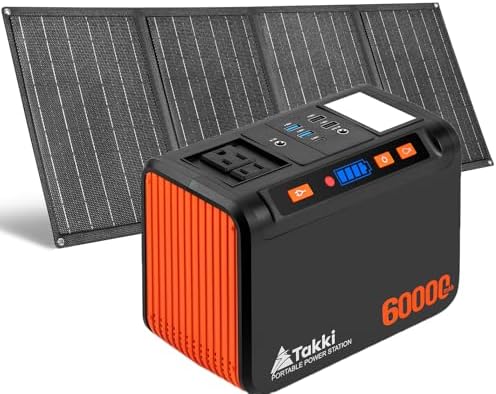


FlashFish 60000mAh Solar Generator
Read our full FlashFish 60000mAh review
If you are heading out on a trip, see our top-rated portable power station for travel.
What happens if you go under, and what happens if you overbuy?
That matters most when you need the unit ready again before the next weather event or workday.
Overbuying recharge time costs flexibility. A 180–240 min refill can be fine for overnight use, but it becomes a poor fit if you need the station back in service within a lunch break.
Do you recharge during the day? If yes, keep the target at 60–120 min. If no, 180–240 min usually gives you enough breathing room without paying for speed you will not use.
Recharge time is only useful when your charging window is real. A 60 min figure does not help if you only have a 30 min outlet window, and a 240 min figure does not hurt if you always charge while you sleep.
What is the mistake most buyers make with recharge time?
The mistake is optimizing for a short recharge time before checking the size of the battery and the charging source. Recharge time only tells you how long a full refill takes under stated conditions.
You should optimize for the time you can actually leave the portable battery generator plugged in, then for the watt-hours you need between charges. A fast refill cannot fix insufficient stored energy.
Why larger capacity can matter more than fast recharge
What matters more, speed or capacity? For many upgraders, capacity matters first. A 300Wh unit that recharges in 60 min still gives limited runtime, while a larger pack with a 180 min refill may solve the real problem better.
If your older model already lasts long enough, a shorter recharge time is only worth paying attention to when your charging gaps are tight. If your old unit runs out too soon, recharge time is secondary to watt-hours.
For those preparing for a blackout, browse our comparison of the best portable power station for emergency backup.
How recharge time interacts with other deciding specs
Recharge time interacts with battery capacity, AC output power, and the charging method. A short refill time is wasted if the battery is too small for your runtime needs.
Battery capacity sets how much energy the portable power station can store.
AC output power is separate from recharge time. A station with 600W AC output can run many smaller loads, but that does not tell you how fast the battery refills.
Charging input matters as much as the refill figure. A unit that supports wall charging, car charging, and solar charging gives you more ways to recover energy, but each source can change the practical recharge time.
Pure sine wave AC output, USB-C PD, and 12V car sockets affect what you can power. They do not reduce recharge time by themselves, so do not treat output variety as a substitute for faster charging.
For many readers, the real limit is not recharge time at all. It is the smaller of two numbers: the energy you need between charges and the time you actually have to refill the station.
LiFePO4 and NMC lithium-ion also shape the decision indirectly. Cycle life and size are different trade-offs, but neither chemistry changes the meaning of recharge time on its own.